All Categories
Featured
Financial Education: The Key to Homeownership in Honolulu...
Navigating the Intricacy of Post-2025 Financial Reporting...
Calculating Your Net Worth for Tax Exemption in Portland ...

Is Your Foreclosure Notification Valid Under 2026 Statutes?
Financial Education: The Key to Homeownership in Honolulu Credit Counseling
Table of Contents
New Reporting Standards Shape the 2026 Financial Environment
The 2026 fiscal year has presented a series of shifts in how consumer data is gathered and reported to the three significant bureaus. These modifications, driven by the 2026 Credit Transparency Act, concentrate on increasing the precision of files while supplying customers with more control over their individual details. Among the most significant updates involves the treatment of medical financial obligation. Since early 2026, most paid medical collections have actually been wiped from reports entirely, and overdue medical financial obligations under a specific dollar limit are no longer allowed to appear on customer files. This shift has actually provided instant relief to millions of people in Honolulu Credit Counseling, allowing their ratings to reflect their current credit reliability instead of previous health crises.
Another significant change in 2026 concerns the integration of buy-now-pay-later (BNPL) information. For numerous years, these short-term installation loans operated in a gray area, often going unreported unless a consumer defaulted. New 2026 regulations now require these service providers to report both favorable and unfavorable payment history to the bureaus. While this includes a layer of complexity to monthly tracking, it offers a way for those with thin credit files to develop history through little, workable purchases. For residents of the surrounding region, comprehending how these frequent micro-loans affect a debt-to-income ratio is now a cornerstone of modern-day monetary management.
Recent developments in Debt Relief recommend that reporting accuracy is the main driver of rating recovery in the present economy. Errors on credit reports stay a persistent issue, but the 2026 laws mandate a faster conflict resolution process. Financial institutions should now provide concrete evidence of a debt within fifteen days of a conflict, or the product needs to be gotten rid of. This puts the burden of evidence directly on the loan providers, providing customers in the United States a stronger position when challenging out-of-date or inaccurate entries.
Reconstructing Credit in a High-Interest 2026 Economy
Reconstructing a credit profile in 2026 requires a various strategy than in previous decades. Rates of interest have remained stubbornly high, making the cost of carrying a balance more pricey than ever. Financial advisors recommend that the most efficient way to improve a score now is through a combination of prompt payments and aggressive utilization decrease. In the domestic market, lots of individuals are turning to protected cards that provide graduated paths to unsecured credit lines. These tools are particularly helpful for those recovering from personal bankruptcy or long periods of financial instability.
Nonprofit credit therapy firms have seen a surge in need as people navigate these new guidelines. These organizations, often 501(c)(3) entities approved by the Department of Justice, supply a neutral area for customers to evaluate their choices. Experts who provide Professional Debt Relief Programs highlight the need of combining high-interest obligations. A financial obligation management program can be a lifeline in this environment, as it often involves negotiating with financial institutions to lower rate of interest and integrate several month-to-month costs into a single payment. This structured technique helps guarantee that no payments are missed, which is the single essential element in the 2026 credit scoring models.
For those living in Honolulu Credit Counseling, regional neighborhood groups and banks often partner with national nonprofits to offer workshops on these 2026 guidelines. Education is the first line of defense against predatory financing practices that tend to multiply when conventional credit ends up being more difficult to gain access to. Knowing how to read a 2026 credit disclosure kind is now considered an essential life ability, similar to standard tax preparation or home maintenance.
Mastering Personal Budgeting In The Middle Of 2026 Inflation
Budgeting in 2026 is no longer about simply tracking expenses-- it has to do with managing money circulation against unstable costs of living. Energy prices and real estate expenses in the local region have actually required lots of households to adopt "zero-based budgeting," where every dollar is assigned a particular task before the month starts. This technique avoids the "lifestyle creep" that can take place when small, repeating digital memberships go unnoticed. Professionals recommend using automated tools to sweep remaining funds into high-yield cost savings accounts or towards high-interest debt at the end of every pay cycle.
Property owners and prospective purchasers are also dealing with special difficulties. HUD-approved housing counseling has become a vital resource for those attempting to enter the market or remain in their homes. These therapists help individuals comprehend the long-lasting implications of 2026 home loan items, some of which feature flexible payment structures that can be risky without correct assistance. Homeowners regularly seek Debt Relief near Honolulu to guarantee their home loan stays affordable under brand-new 2026 interest rate caps and home tax adjustments.
The psychological aspect of budgeting is also acquiring attention in 2026. Monetary tension is a leading reason for health concerns, and lots of counseling programs now include "financial health" parts. These programs teach consumers how to separate their self-regard from their credit rating, focusing rather on sustainable practices and long-term objectives. In Honolulu Credit Counseling, a number of independent affiliates of bigger counseling networks use these services totally free or at really low expense, ensuring that even those in deep monetary distress have access to professional aid.
Algorithmic Transparency and the Future of Financing
As we move through 2026, the usage of expert system in financing choices has actually come under extreme examination. New federal guidelines need loan providers to be transparent about the "alternative data" they use to identify creditworthiness. This might include lease payments, utility expenses, or perhaps constant savings patterns. For a customer in the United States, this indicates that non-traditional monetary behaviors can finally operate in their favor. It also indicates that a single missed electrical expense could have a more pronounced effect on a score than it did 5 years ago.
The 2026 economy benefits those who are proactive. Examining credit reports a minimum of once a quarter has actually ended up being the advised frequency, as the speed of information reporting has actually increased. Many consumers now have access to real-time informs through their banking apps, which can flag suspicious activity or abrupt score drops instantly. Benefiting from these technological tools, while keeping a relationship with a trusted not-for-profit therapist, offers a well balanced approach to monetary health.
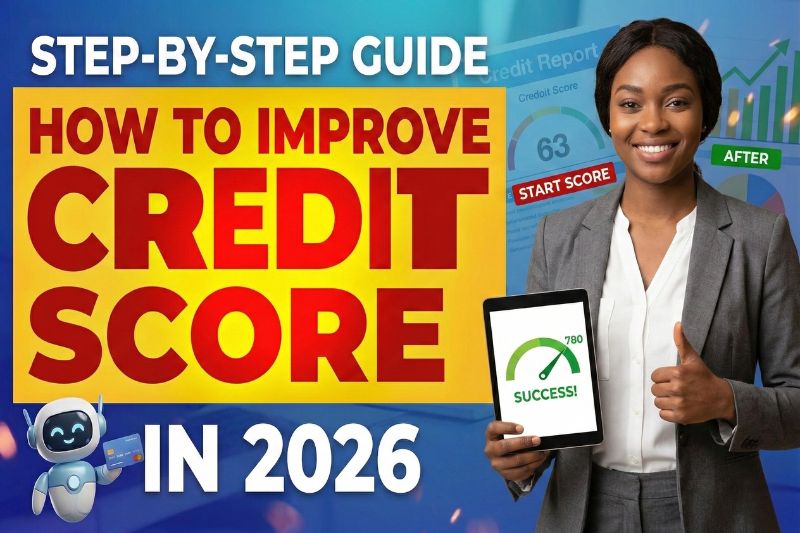
Community-based financial literacy stays the most efficient method to guarantee long-term stability. Whether it is through a financial obligation management program or a basic individually session with a certified therapist, the goal is the exact same: to move from a state of monetary defense to among financial offense. By understanding the 2026 regulations and mastering the art of the modern budget, individuals in Honolulu Credit Counseling can protect their properties and build a more protected future regardless of wider financial variations.

Table of Contents
Latest Posts
Financial Education: The Key to Homeownership in Honolulu Credit Counseling

Navigating the Intricacy of Post-2025 Financial Reporting Laws

Calculating Your Net Worth for Tax Exemption in Portland Debt Relief
More
Latest Posts
Financial Education: The Key to Homeownership in Honolulu Credit Counseling
Navigating the Intricacy of Post-2025 Financial Reporting Laws
Calculating Your Net Worth for Tax Exemption in Portland Debt Relief